
LIVELIHOOD PROJECTS
LivelIhood is about securing the basic necessities like food, water and shelter.
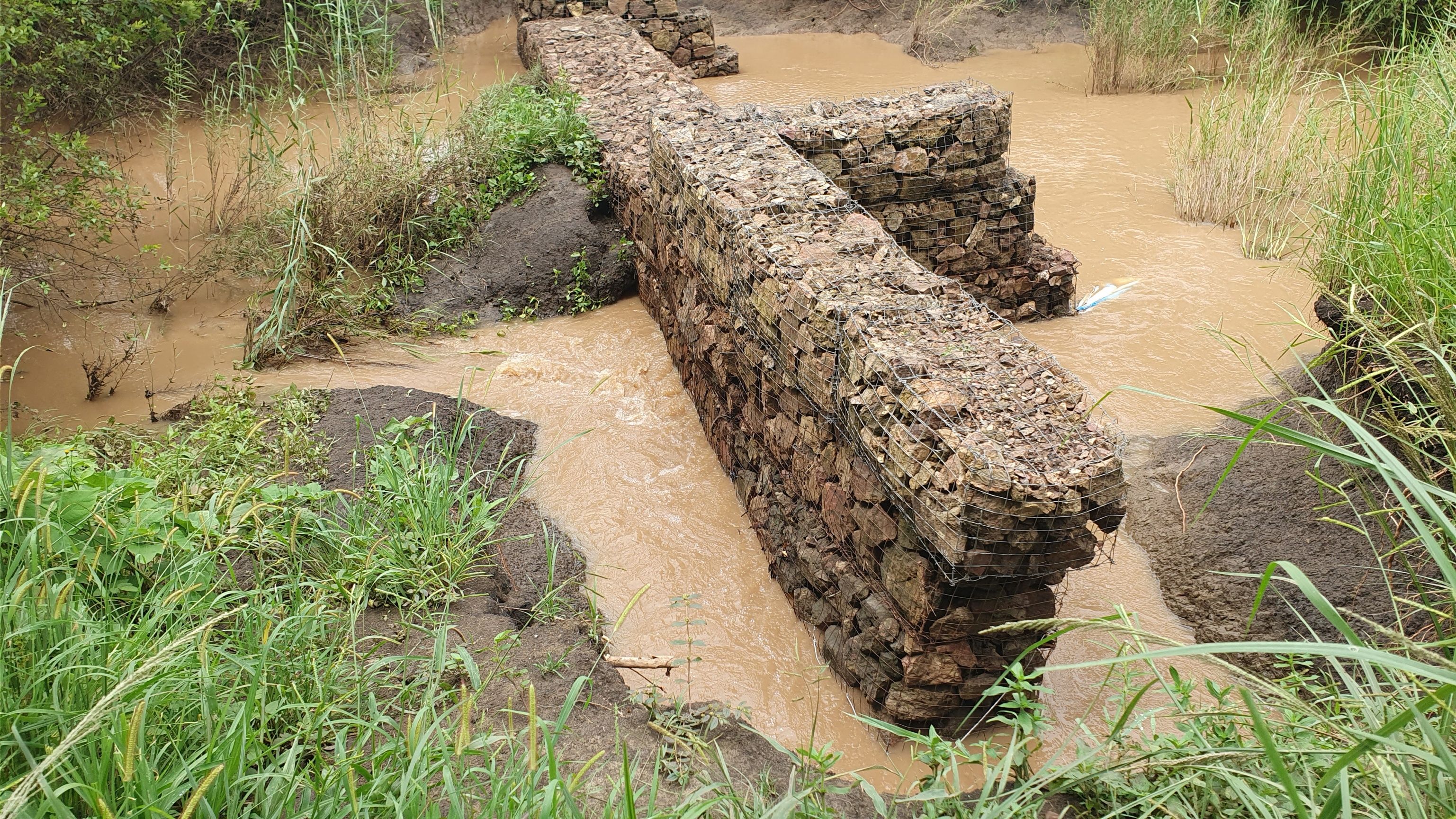
Check dams
Headman Shamabobo is old enough to remember when the Lukanga river ran all year steady and green along its banks. Then the Ithezi Tezi dam was built. The Lukanga river became seasonal. With less water in the ground, it is hard to grow food.
The check dams will provide the extra time for the water to seep in the soil.
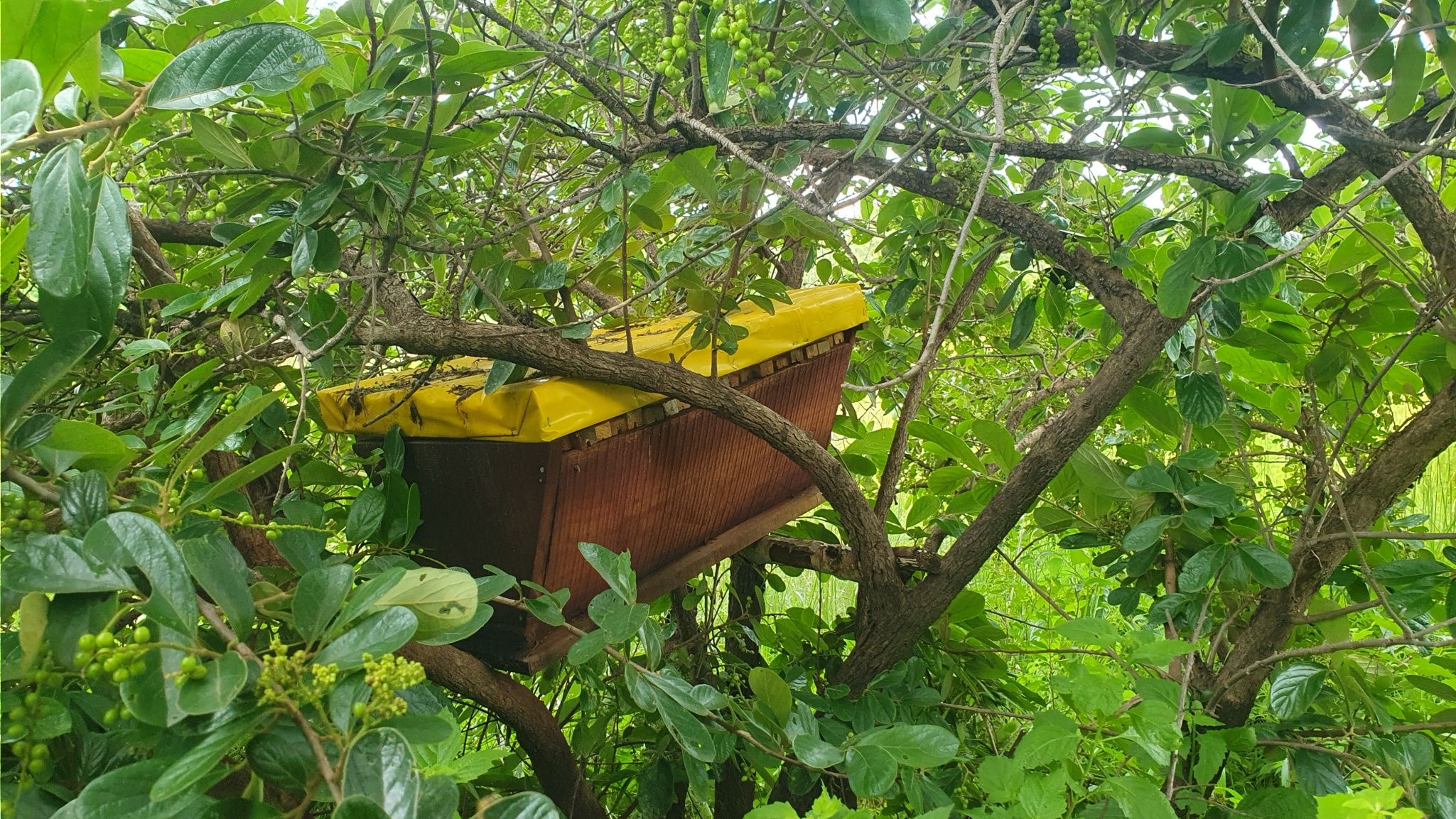
Beehives Project
Camella Meleki is a 43-year-old widow, mother of three, and peasant farmer in the Chamatete Garden community. Before the beehives arrived, honey wasn’t part of her household income at all. Now she brews Mbote, a local beer made from honey, and sells it as a source of living. “We are very grateful for this project,” she says, “because it has brought hope and opportunities to our community.”
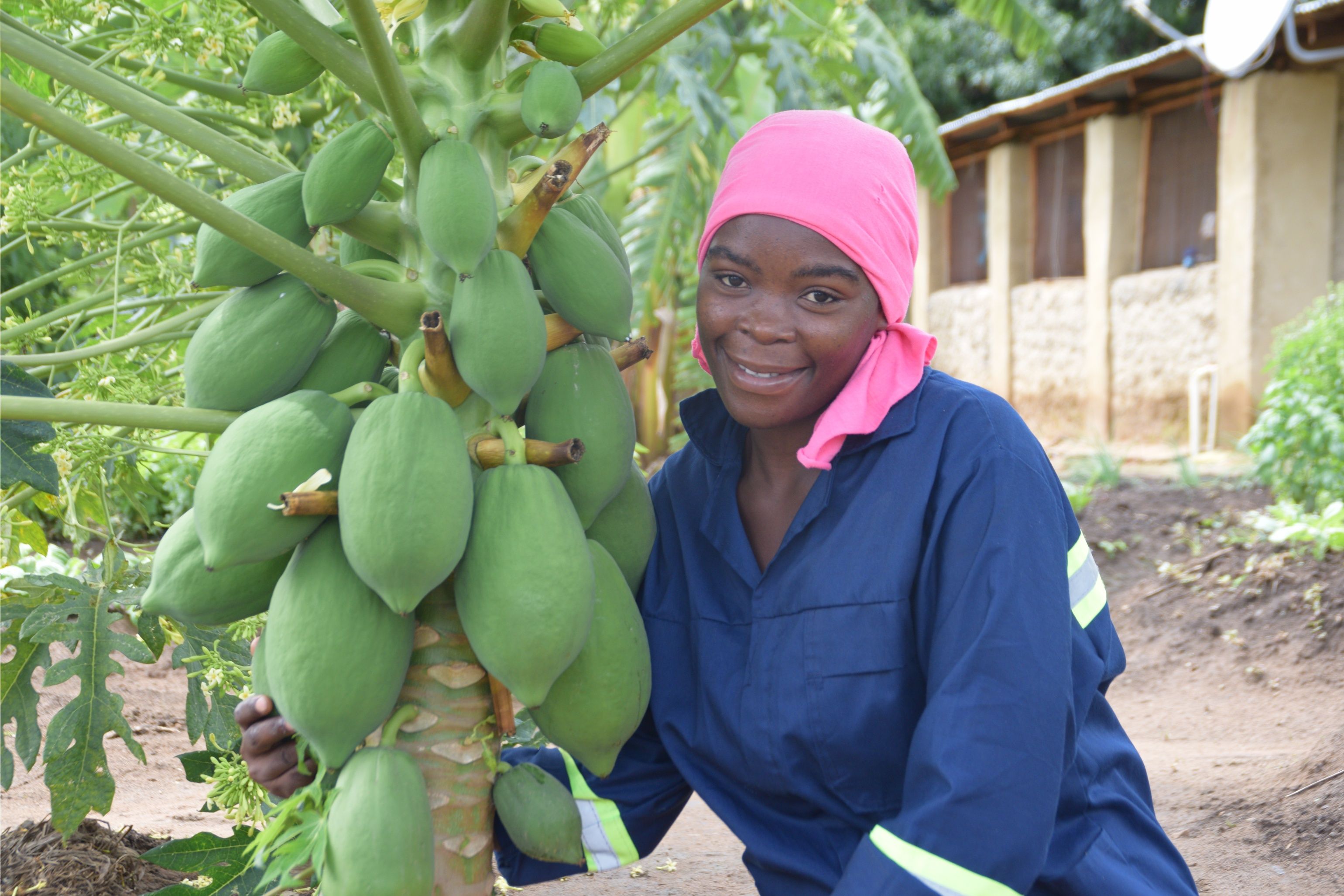
Farm to Table Initiative
Three years ago, Nakusheka Kapitango was digging 1.5-metre wells by hand and cutting down trees to make fencing so the cattle wouldn’t eat the fresh crops. Today she sells her vegetables at good prices. “With the income we earn, we can successfully support our families” she says. “Our children are going to school well-fed, they have snacks to carry with them, and we can now easily afford to pay their school fees.”
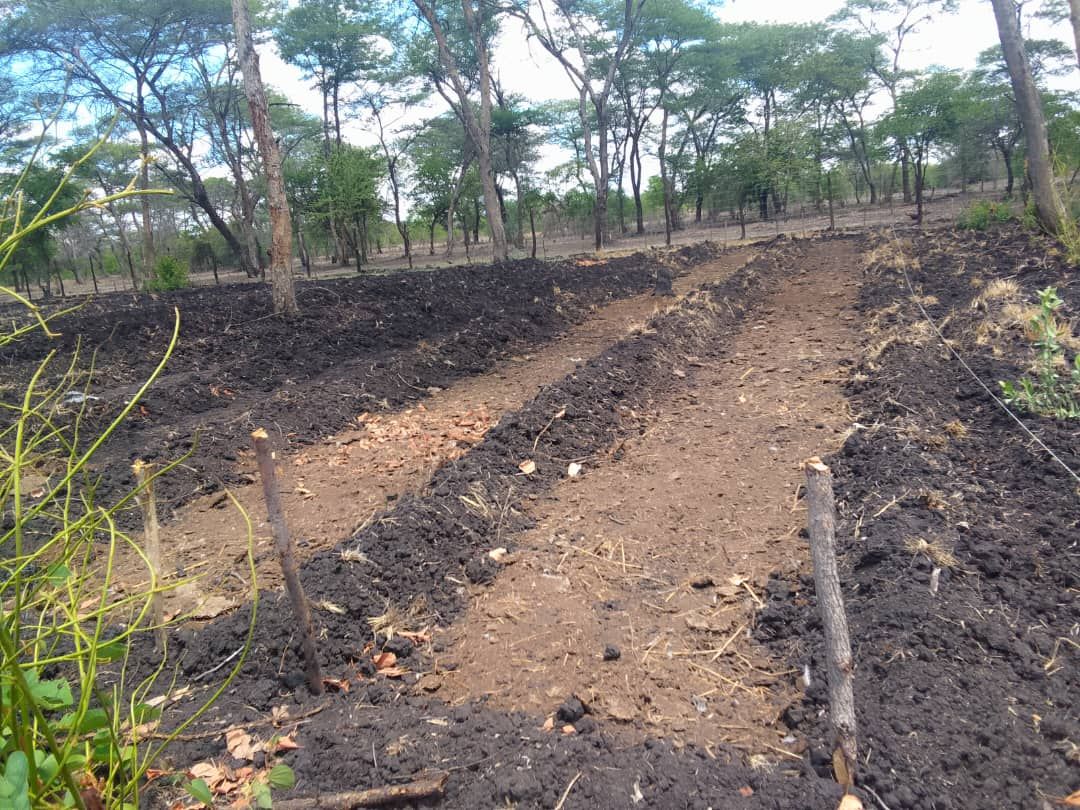
Human-Elephant Co-existence
In Simoonga and Sinde, elephants didn’t just share the land with farmers, they raided it. Before BLC introduced the Demonstration Farm Project for Human-Elephant Coexistence, most of the people who are now part of this project had given up farming altogether because of crop raids. There was little income to replace it, and the area saw a rise in charcoal production, illegal logging and deforestation as people searched for another way to get by.
Lukanga Secondary School
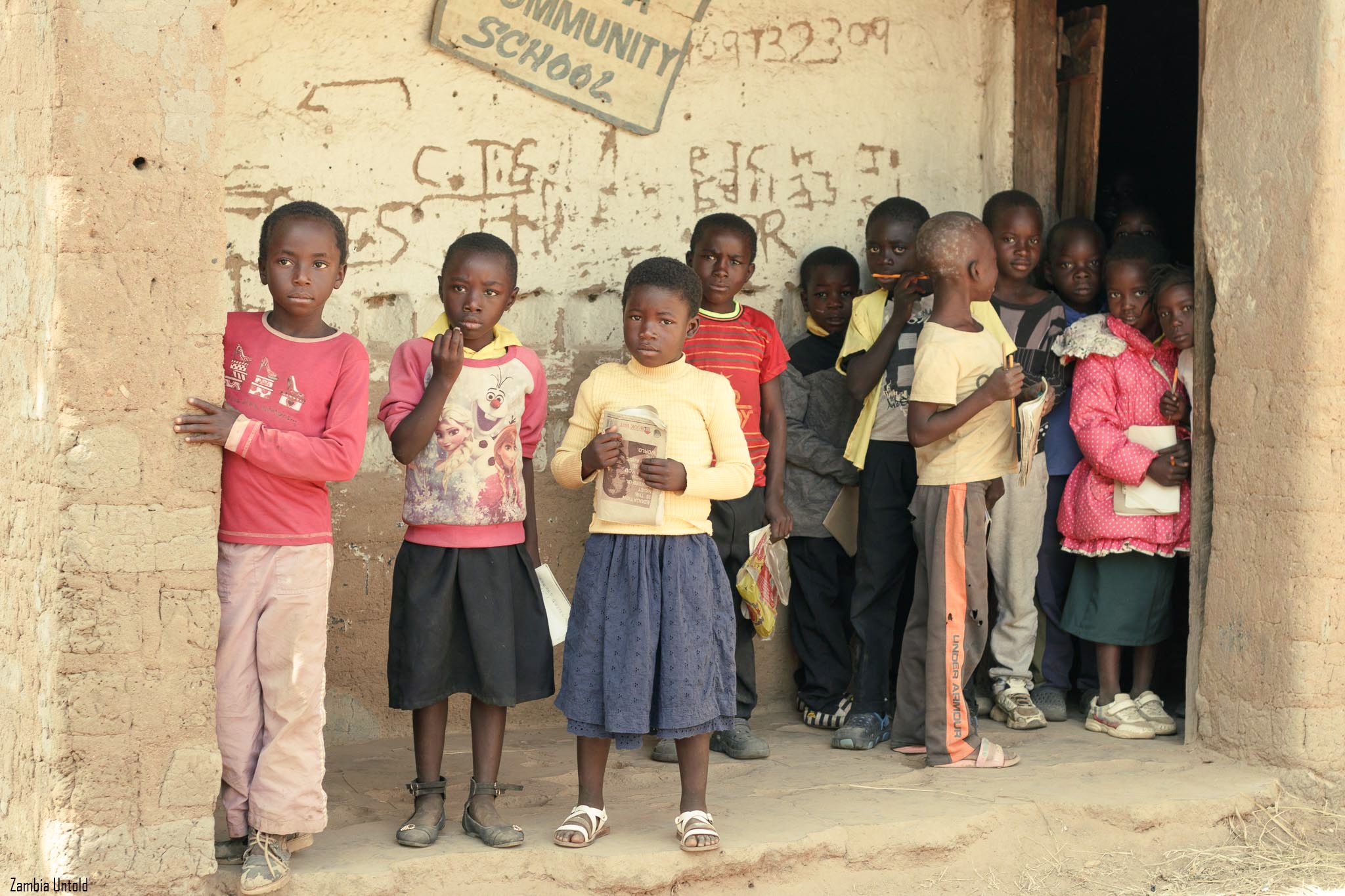
Headteacher Maimbo of Lukanga Primary School kept watching the same thing happen: his students finishing 7th grade, and then dropping out. The nearest secondary schools were too far to reach on foot, and for many families, boarding elsewhere simply wasn’t an option. So he decided to do something about it himself.
Sustainable Stoves
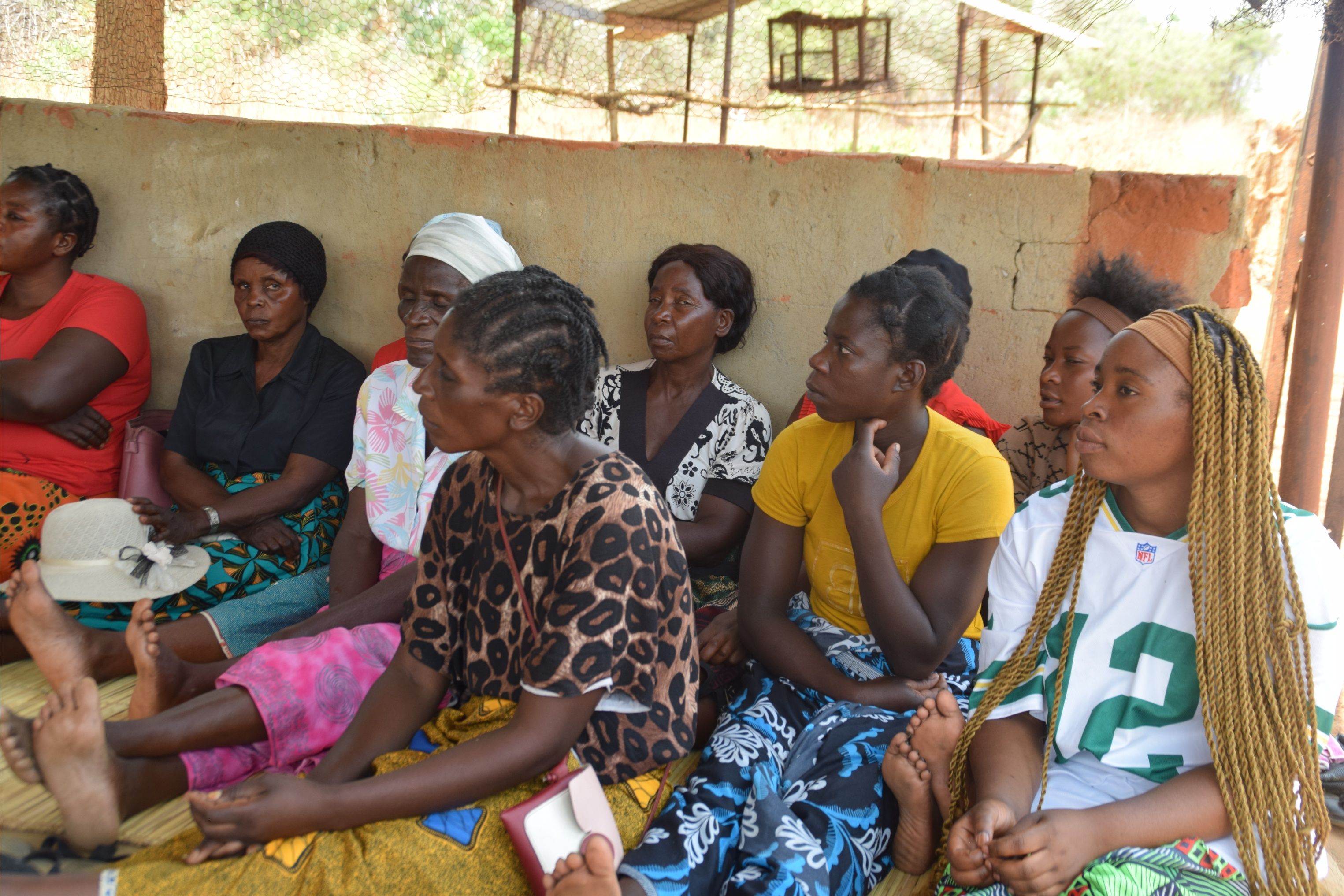
Sheba Ngoma is 37, a subsistence farmer and mother of six. For three years now, all her cooking has run on a rocket stove instead of an open charcoal fire. “It doesn’t require much firewood,” she says. “You can cook using only small twigs. Meals like Maheu and Nsima are finished in a very short time.”
The Mukuni Regenerative Community Farm
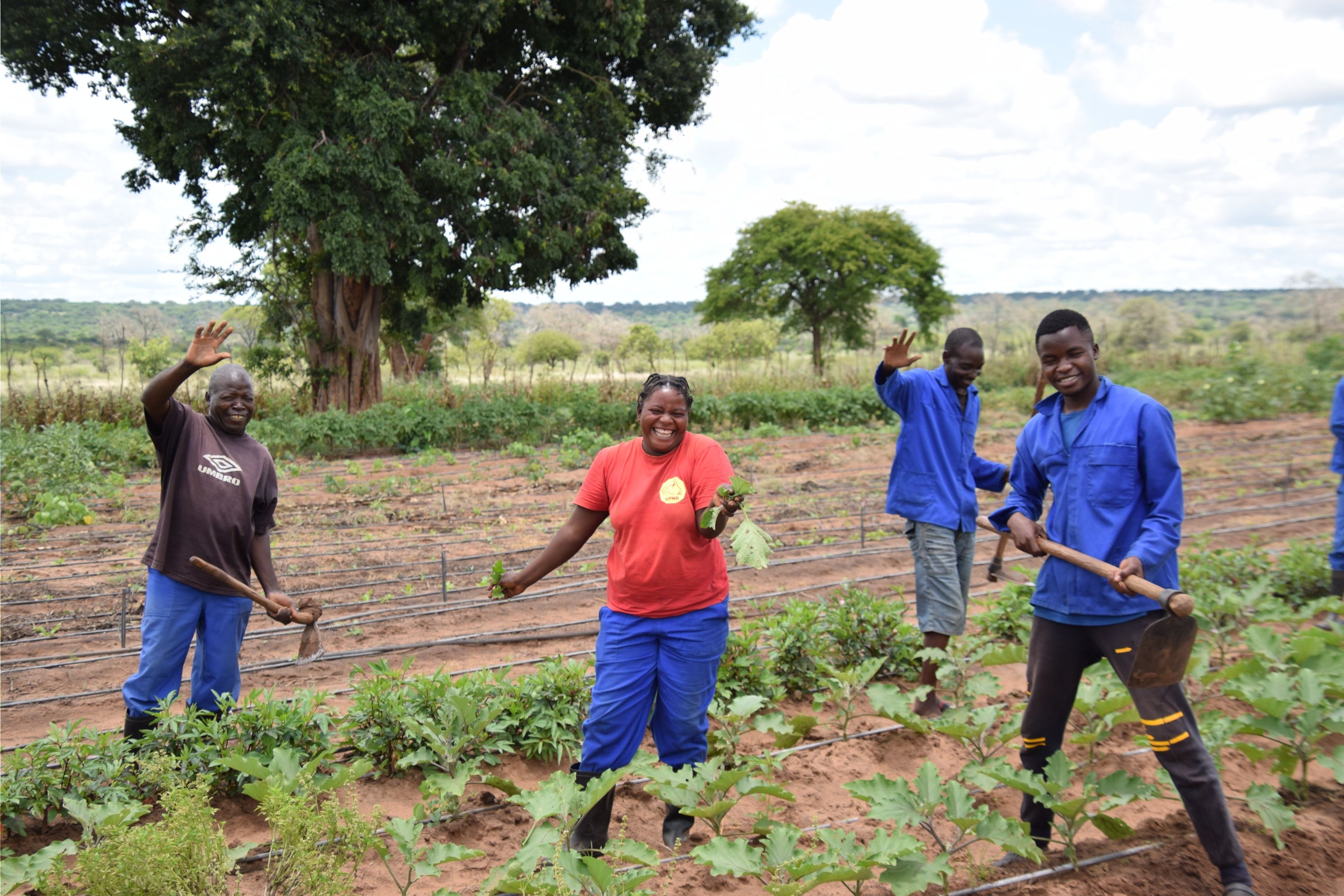
Moono Zimuka is a 34-year-old single mother of two. When the Mukuni Organic Farm launched in December 2019, under the farm's former manager Irvin, she joined with almost no idea what “organic” actually meant. She had farmed before, but chemical-free, sustainable growing was entirely new to her. She spent her first nine months on the farm simply as a volunteer, learning the trade from the ground up.
Waste to Wealth
Coming soon
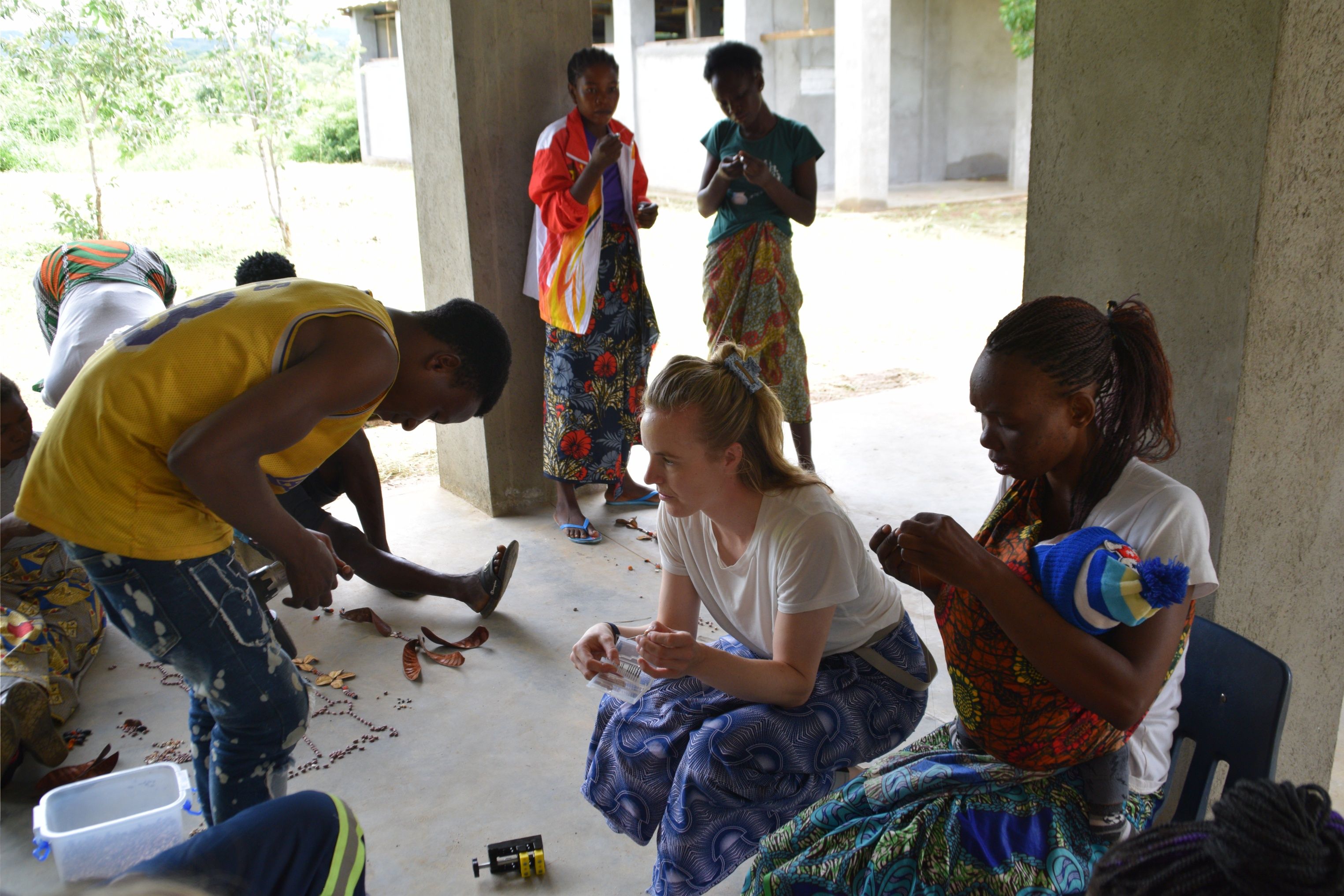
Waste to Wealth is in its earliest stage. The work has started, but there is not yet enough behind it to tell the story properly.